Valentin Riedl ­­­­

Brain Scientist, and making films about science
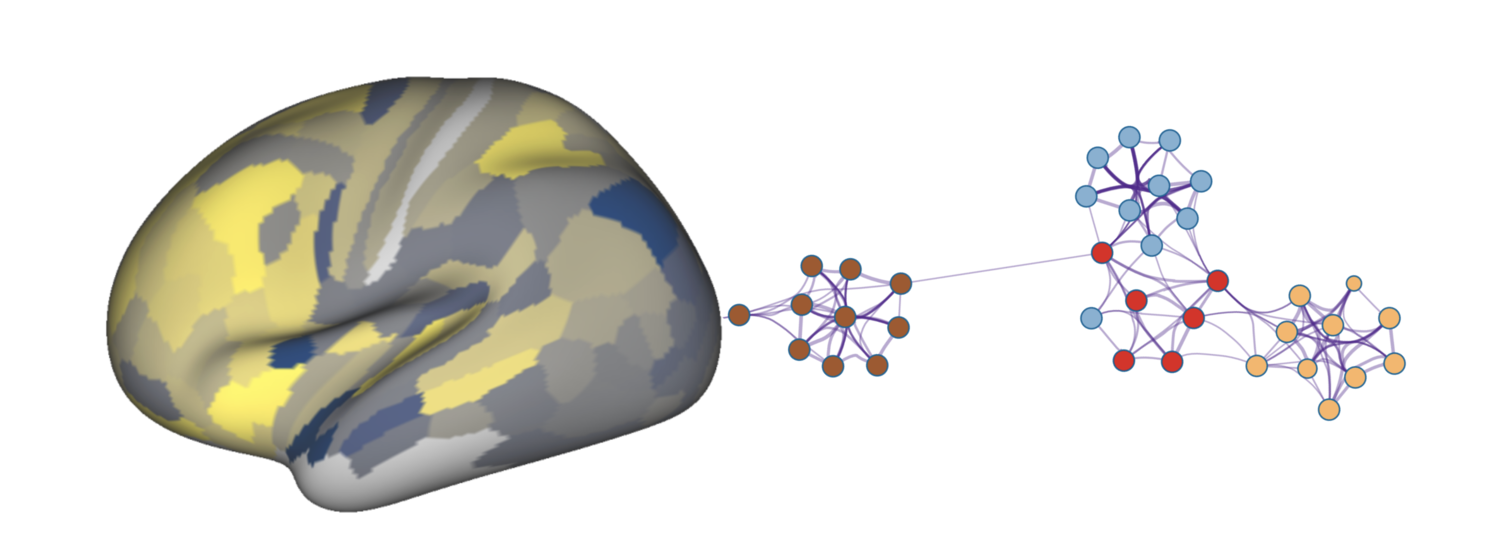
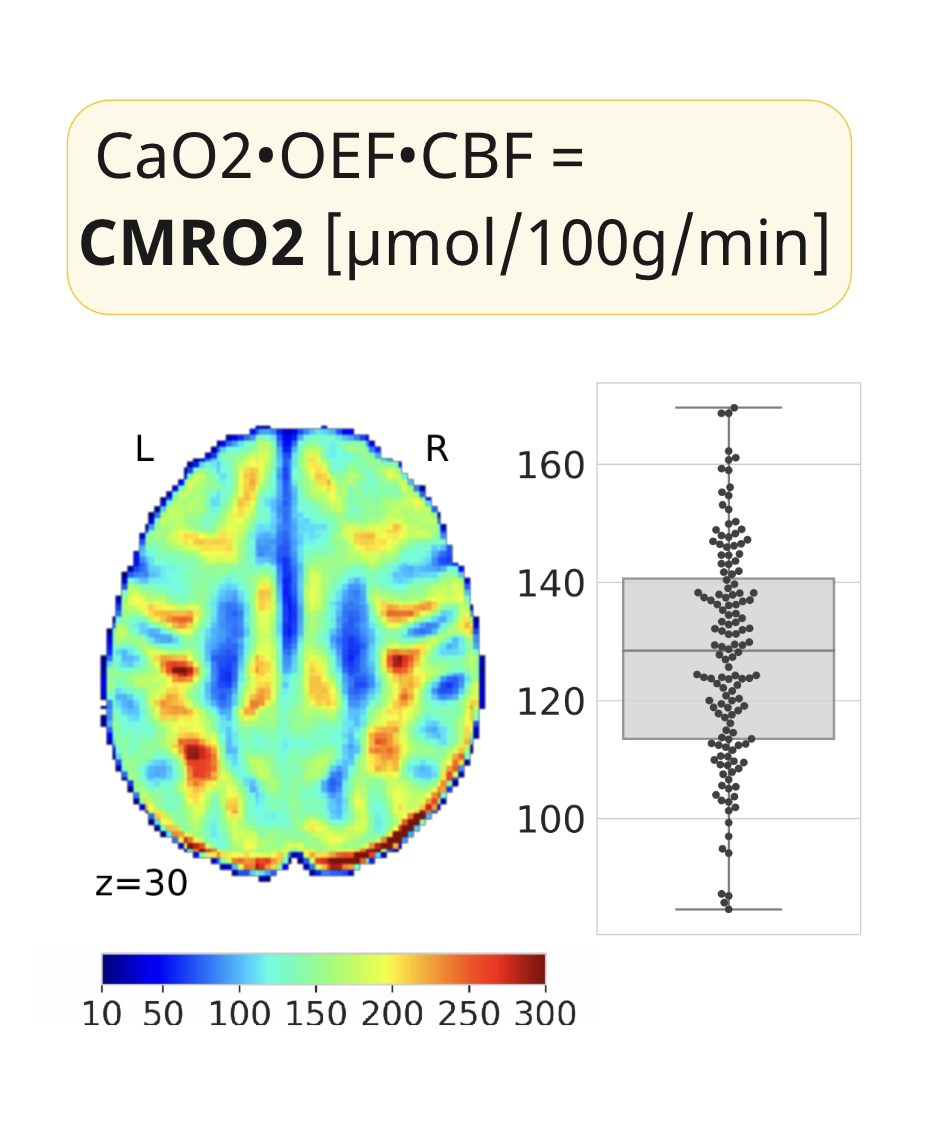
Hot colors indicate less efficient brain regions
Neuroenergetics of the human brain
We study the energy metabolism of the human brain and how it relates to neuronal signaling in the healthy and diseased brain at Friedrich-Alexander University (FAU) in Erlangen and at Technical University Munich (TUM), Germany.
My group
<p>Valentin Riedl &nbsp;<span style="font-weight: normal;">Principal Investigator</span></p>

Valentin Riedl  Principal Investigator

The human brain consumes around 20% of the energy produced by the body. While neuroscience research has immensely progressed in understanding the micro- and macroscopic architecture of the brain, the reason for its high energy demands is still a mystery. In my research on the Neuroenergetics of the human brain, I study how energy metabolism drives neural signaling and whether it is altered in neuropsychiatric disorders. 


I hold a Full Professorship for Neuroimaging at FAU where we study metabolic and immunological processes in the brain using high-field (7T) Magnetic Resonance Imaging (MRI). Furthermore, we quantify the brain's energy metabolism at TUM on an integrated PET/MRI-scanner. I received my MD (Dr.med.) from TUM and my PhD (Systemic Neurosciences) from LMU after working as a Research Fellow at the World Health Organization (WHO) in Geneva. As a director of two award-winning documentaries, I have discovered film as a powerful medium for science communication.
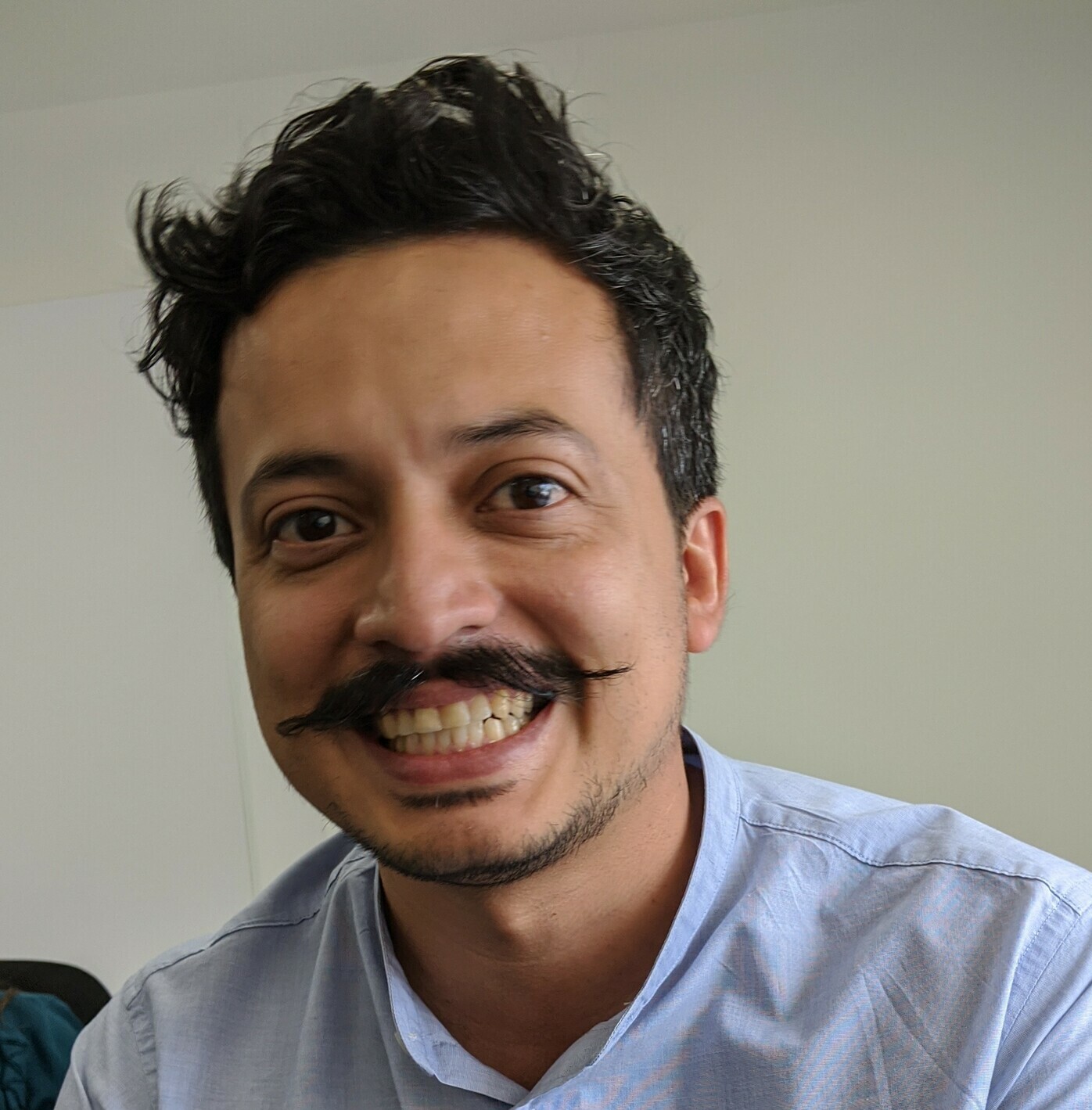
<p>Roman Belenya<span style="font-weight: normal;">&nbsp;PhD-student</span></p>

Roman Belenya PhD-student

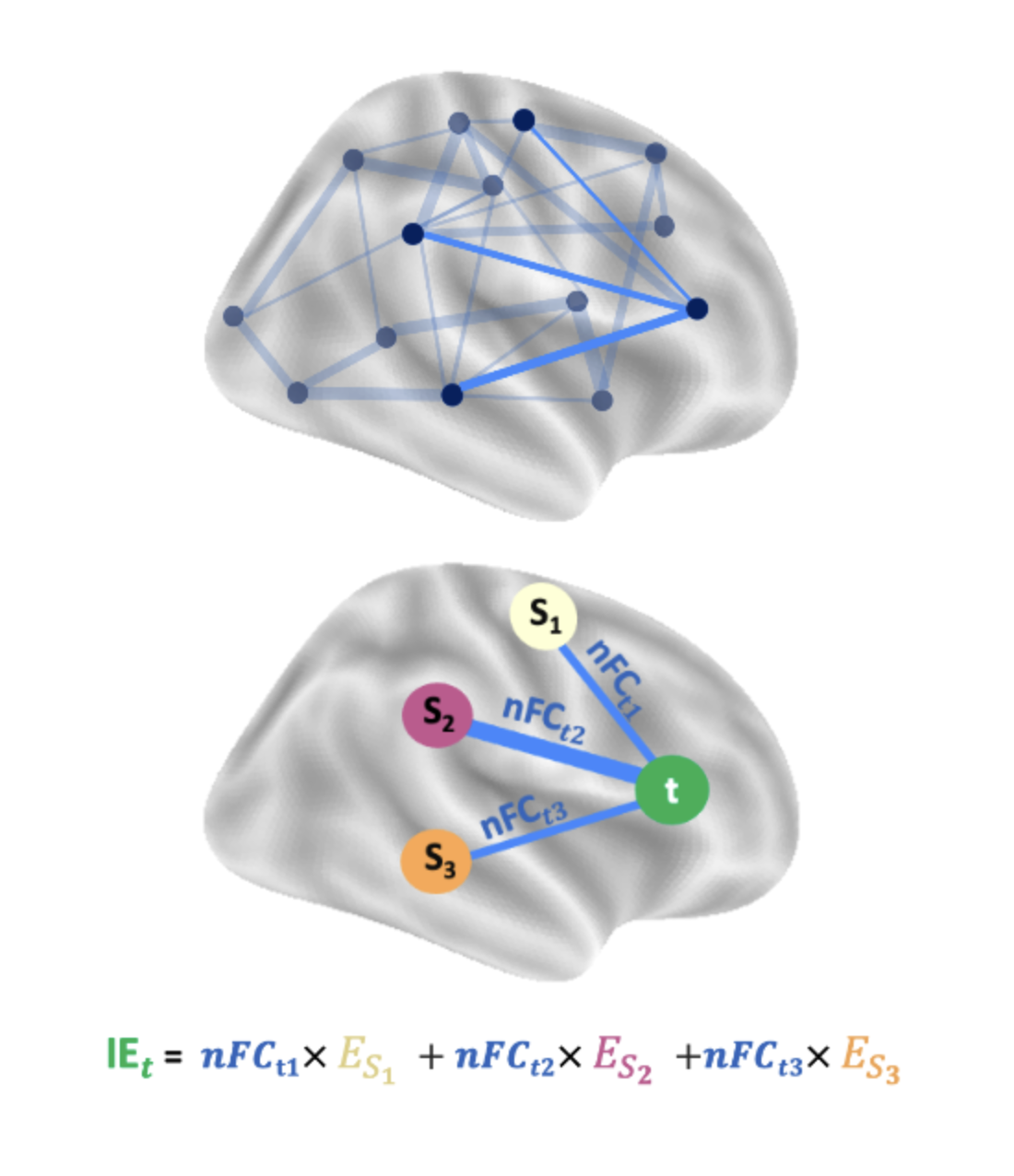
Roman is integrating brain energy metabolism with dynamic connectivity measures to uncover directional signaling in the brain connectome. Roman holds a BSc in Psychology and did his MSc in Neuro-Cognitive Psychology in our group. We are very happy having him as our database wizard as he has been working as a programmer and data scientist for several companies before. If you want to discuss most bizarre chess moves, get in touch with Roman!
<p>Gabriel Castrillon<span style="font-weight: normal;"> Senior Scientist</span></p>

Gabriel Castrillon Senior Scientist

Gabriel is a data whisperer handling graph metric analysis and machine learning. In his PhD thesis, he investigated the effect of non-invasive brain stimulation (using TMS) on functional brain integration. Gabriel has a background in biomedical engineering and computing. He won a scholarship of the MLST Graduate School, was supported by a State scholarship of his home country, Colombia, and received the OHBM abstract merrit award. If you intend to visit the Colombian jungle, he is your guide.
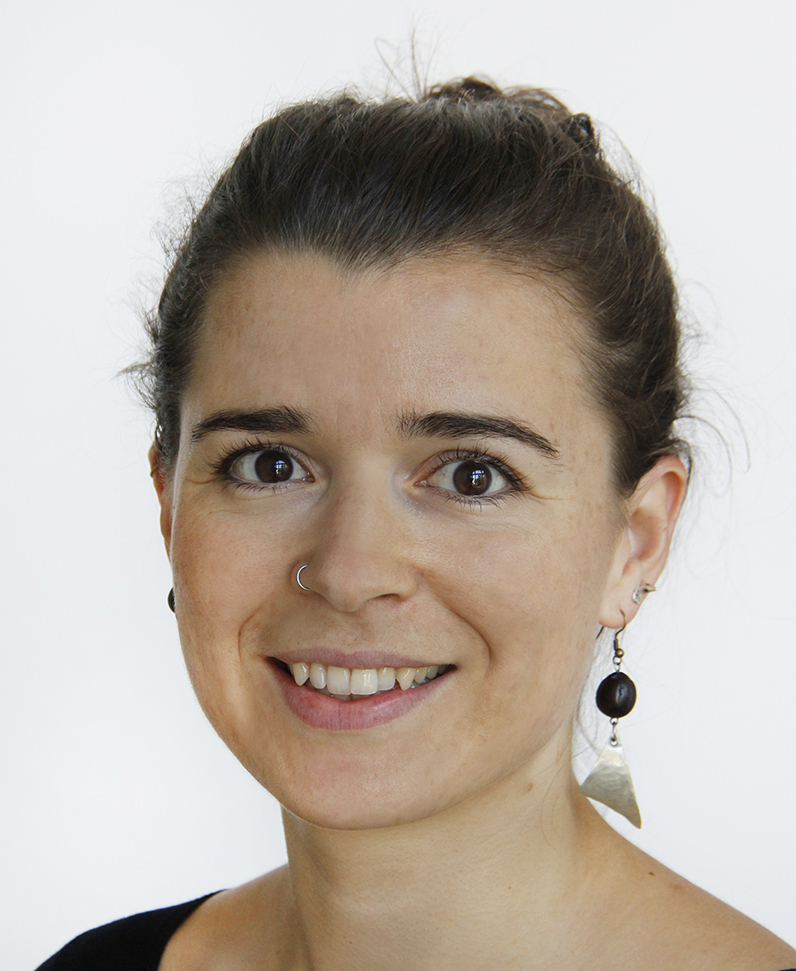
<p>Samira Epp&nbsp;<span style="font-weight: normal;">Postdoc</span></p>

Samira Epp Postdoc

Samira studies the changes in energy consumption of human brain networks when subjects perform cognitive tasks. During her PhD, she became an expert in quantitative BOLD imaging, which she currently applies at 7T and to patient cohorts. Samira received a BSc and MSc in Psychology before joining our group. If you want to know when the next big climate demonstration takes place, ask Samira.
<p>Laura Fraticelli<span style="font-weight: normal;">&nbsp;PhD-student</span></p>

Laura Fraticelli PhD-student

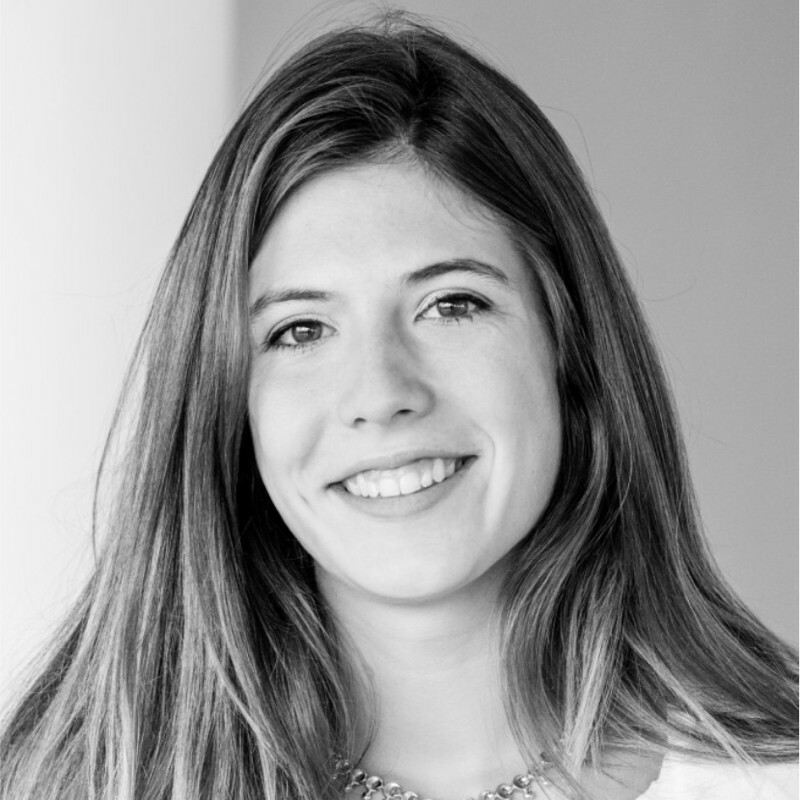
Laura studies patterns of gene expression relate to energy consumption. Her BSc and MSc in Biology make her predestined to answer these complex questions. After doing her MSc-project in the lab, she briefly left for an exchange program with Korea but will rejoin our group afterwards. Once back, you'll find her at the Isar teaching her dog Molly how to find missing people.
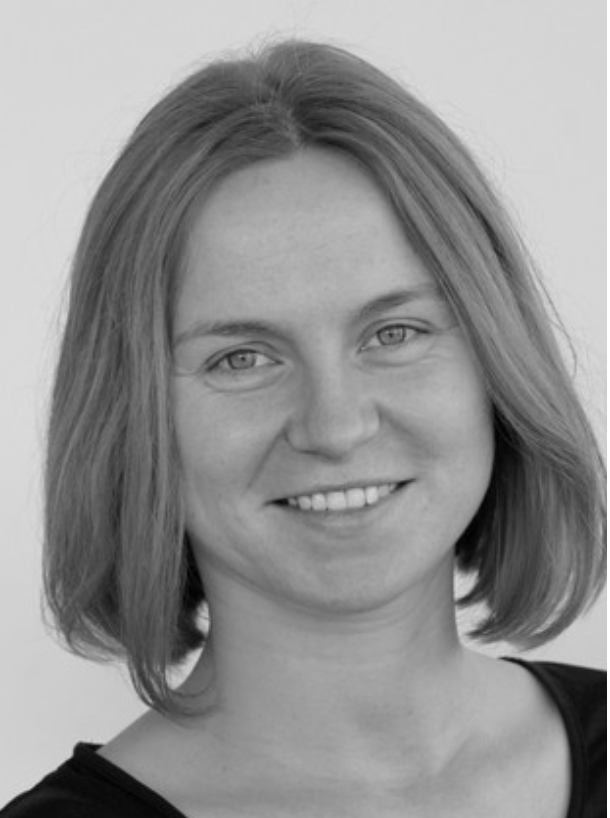
<p>Katarzyna Kurcyus<span style="font-weight: normal;"> Postdoc</span></p>

Katarzyna Kurcyus Postdoc

Katarzyna is an expert in measuring metabolites in the human brain using MRS. In her PhD thesis she studied the dynamics of inhibitory and excitatory neurotransmitter in the visual system. Kasia is experienced in fMRI, edited MRS, and quantitative PET imaging. She has a background in psychology. For her PhD, she won a scholarship of the MLST Graduate School as one of the top 5 applicants. If you look for the best Pierogi place in Germany, Kasia will find it.
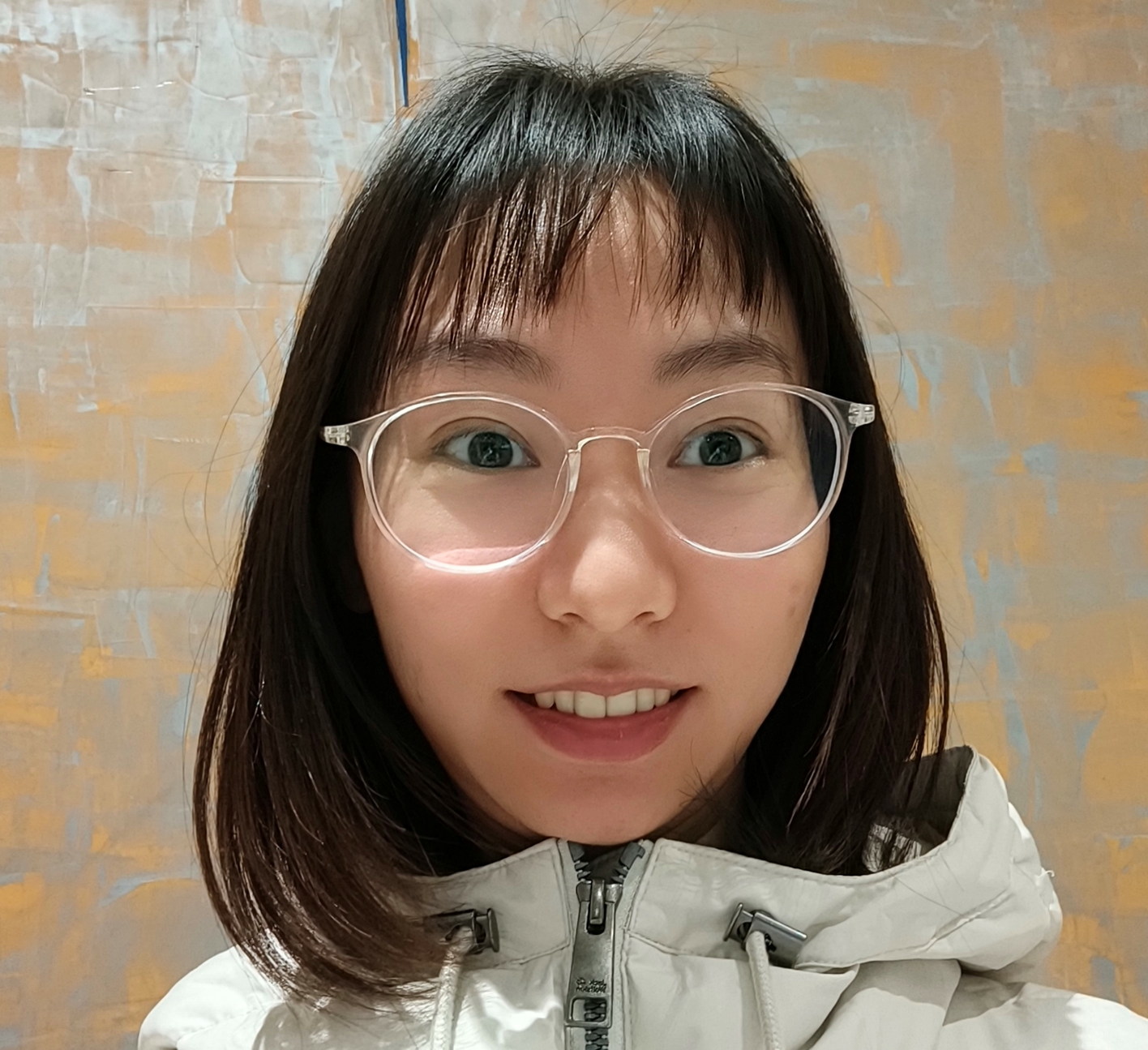
<p>Jingxian Shen<span style="font-weight: normal;"> PhD-student</span></p>

Jingxian Shen PhD-student

Jingxian studies directional signaling across the cortex during sensory processing and anticipation. She has profound knowledge in mathematical modeling of electrophysiological signals from human brain recordings. Jingxian received her BSc in Imaging Engineering and her MSc in Neurobiology from South China Normal University. Happy 兔 year for your start into your PhD!
Alumni

Our work
QUANTITATIVE NEUROENERGETICS&nbsp;
QUANTITATIVE NEUROENERGETICS 
We quantify the metabolic turnover across the energy cycle in the human brain of healthy subjects and patients. To achieve quantitative brain signals, we have established multiparameter MRI, MRS, and PET imaging in our lab.
MULTISCALE INTEGRATION
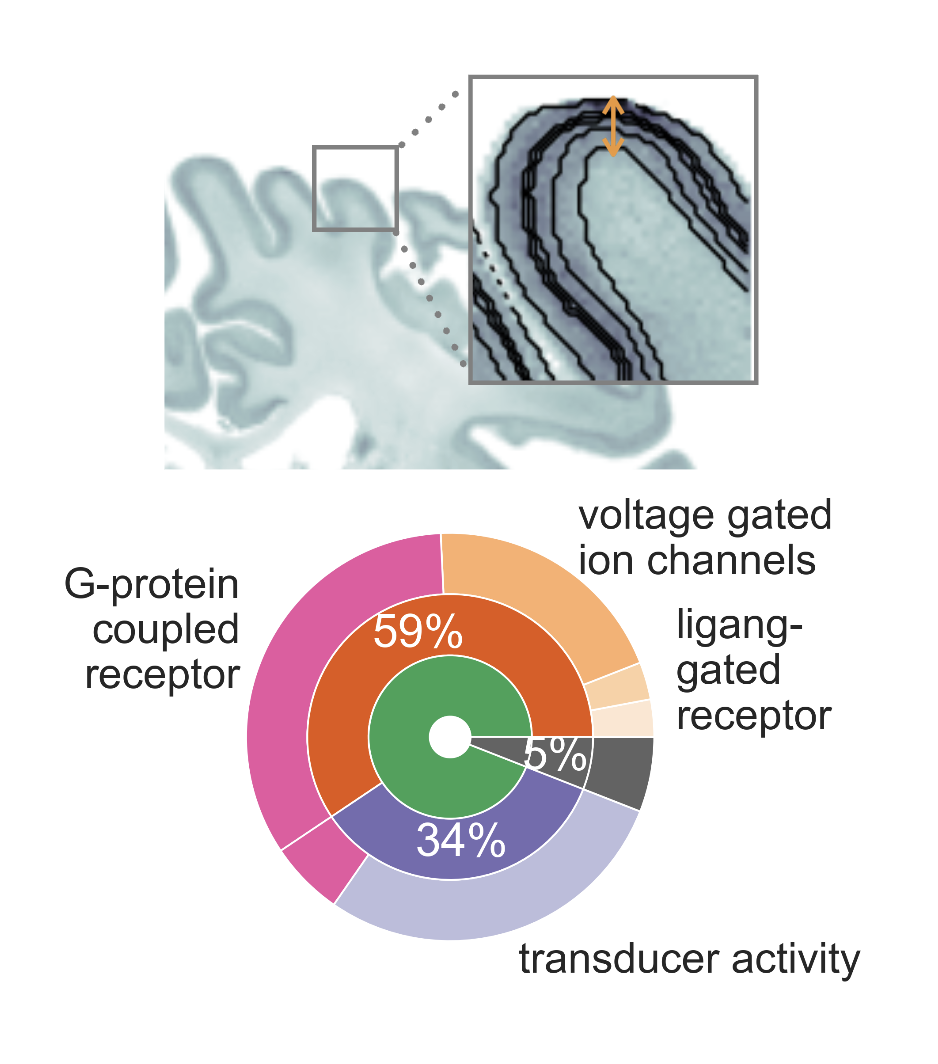
We aim to substantiate macroscopic imaging signals with molecular and cellular processes by integrating imaging data with external, open science data from genetics and histology. 
IMMuno-METABOLISM
IMMuno-METABOLISM
We study the impact of inflammatory or glia processes on brain energy metabolism and the clearance of inflammatory and metabolic products via the brain lymphatic (glymphatic) system.  
<p>Brain NETWORK MODELING</p>

Brain NETWORK MODELING

We have been studying energy metabolism along the brain connectome during cognitive processing using Graph metrics, Network Control Theory, and Predictive Coding. 
Funding
Publications
weblinks 

• Social media: Bluesky / X / LinkedIn • CV & research profile: ORCID • Publication list: Google Scholar • Data sharing: OpenNeuro • Code sharing: GitHub

Contact

Riedl Lab @ FAU

email valentin.riedl@fau.de
office Finger 2, second floor, room 02.061
entry via Medical Valley Center (MVC), Henkestrasse 91, Erlangen

Riedl Lab @ TUM

email valentin.riedl@tum.de
office TUM-NIC (5th floor), Einsteinstraße 1, München
public transport "Max-Weber Platz" at U-Bahn U4 or U5
Recent entries from my Newsblog:
... more news here